
Moles and mole removal
The questions below are the ones readers in Derry bring about moles, grouped by what they want to know.
According to the National Cancer Institute, doctors usually remove only moles that have changed or new colored or otherwise suspicious areas on the skin. Most of the pages here work out from that line.
Questions about ordinary and atypical moles
How common are moles in adults? is the plain starting point. Are dysplastic nevi a sign of melanoma? takes up the link between these moles and melanoma. The National Cancer Institute's fact sheet on common moles, dysplastic nevi and risk of melanoma is the source to check against.
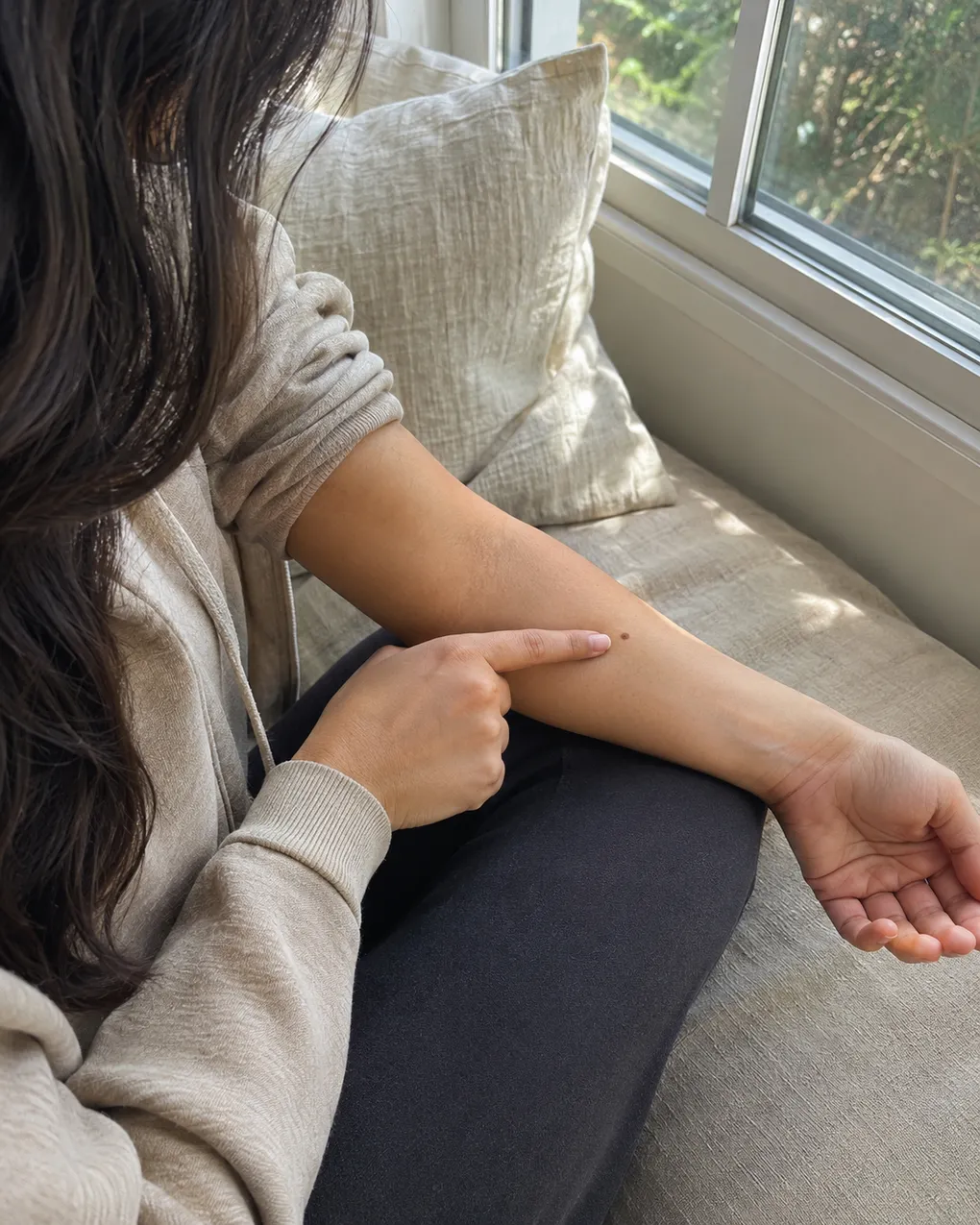
For a mole called atypical, two pages follow. Why do atypical moles need monthly self-checks? covers the checking, and how are atypical moles treated? covers the care.
Questions about looking closer
A biopsy is how a doctor looks closer. Can an atypical mole be checked with a biopsy? puts the question directly. Two references explain the test itself: the American Academy of Dermatology's page on what a skin biopsy is and the MedlinePlus article on skin lesion biopsy.
Questions about removal
Do atypical moles need to be removed? is where removal questions start. What methods do dermatologists use to remove moles? lists the approaches, and how is a mole removed in the office? walks through a visit.
For a New Hampshire newspaper view, Geisel News published Skin Cancer: Know the Risks, Types and Treatments in the New Hampshire Union Leader.
What a good answer about moles looks like
A good answer separates a mole you have always had from one that has changed. It names its source and says what a clinician would check. It does not tell you to remove or keep a mole without an examination.
Related questions
A mole that has changed raises the larger question of what skin cancer looks like. Skin cancer signs and types collects those questions, and sun safety and prevention covers the habits that protect skin day to day.